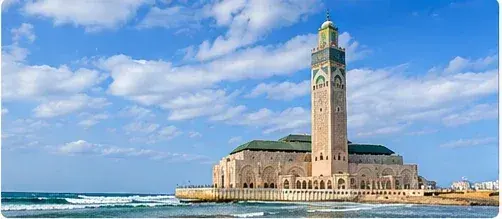
Two weeks is enough — if the route has a shape
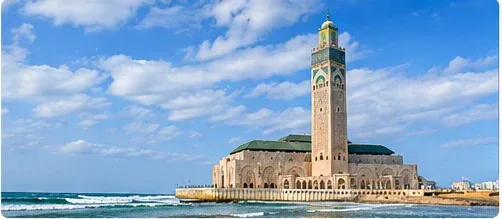
Fourteen days gives you enough time to understand several different Moroccos in one trip, but not enough time to visit every famous place comfortably. The strongest two-week itinerary usually has a clear direction: north to south, Marrakech to the Sahara and onward to Fes, or a city–coast–desert combination with fewer one-night stops. The mistake is not choosing the “wrong” famous city; it is building a route that keeps crossing the country for the sake of adding names.
For a first journey, we normally protect at least two nights in the places where walking matters most, such as Fes, Marrakech or Chefchaouen, and we avoid treating the Sahara as a late arrival followed by an early departure. The road days between regions are part of Morocco, but they should lead somewhere logically. A route that makes geographic sense feels calmer even when the total distance is substantial.
This guide gives three realistic 14-day frameworks rather than one universal answer. They are designed around different priorities: a broad first-time circuit, a more active Atlas-and-desert journey, and a culture-and-Atlantic route. Use them as planning structures, not as rigid promises.
Route 1 — First-time Morocco: Casablanca, north, Fes, Sahara and Marrakech
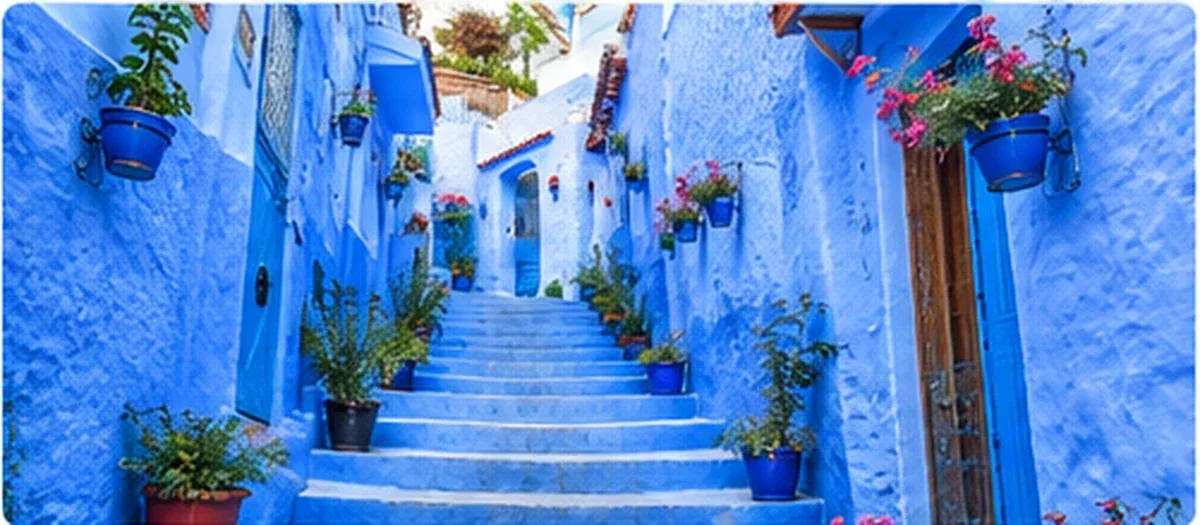
This is the most complete choice for a traveler who wants Morocco’s major contrasts on a first visit. Start in Casablanca only long enough to make the arrival useful, then give Rabat a real stop instead of treating the capital as a motorway break. Continue north to Chefchaouen, then turn southeast through Volubilis or Meknes toward Fes. From Fes, the landscape changes dramatically on the long crossing through the Middle Atlas and Ziz Valley to Merzouga and Erg Chebbi.
After the Sahara, follow the southern valleys west through Tinghir, Todra and Dadès, continue toward Aït Ben Haddou, cross the High Atlas, and finish in Marrakech. If your flights allow it, an Atlantic night in Essaouira can replace one city night, but trying to add Essaouira, Tangier and every imperial city to the same 14 days usually makes the trip thinner rather than richer.
A sensible rhythm is roughly: Day 1 Casablanca/Rabat; Days 2–3 Chefchaouen; Days 4–5 Fes; Day 6 Fes to Merzouga; Day 7 Erg Chebbi; Day 8 Todra/Dadès; Day 9 Aït Ben Haddou; Days 10–13 Marrakech with one flexible day; Day 14 departure or a final Atlantic connection. Exact nights should follow flight times and your preferred pace.
Why Chefchaouen deserves time but not necessarily three full days
Chefchaouen works because it changes the tempo after Casablanca and Rabat. The medina is compact enough to understand on foot, and the Rif setting gives the journey a landscape that neither Fes nor Marrakech can replace. One overnight can work on a tight program, but two nights make the arrival and departure much less mechanical.
Do not build the visit around photographing every blue lane. Walk early, see the kasbah area, follow the medina toward Ras El Maa, and keep enough free time to sit rather than constantly searching for another viewpoint. Travelers who enjoy hiking can use the surrounding mountains more actively; travelers focused on cities can keep the stay shorter and put the saved night into Fes or Marrakech.
The route south from Chefchaouen is also important. Linking Chefchaouen with Volubilis, Meknes and Fes makes geographic sense. Returning to Casablanca before going east does not. Good itinerary design often comes down to avoiding unnecessary backtracking.
Fes needs context, not just a list of monuments
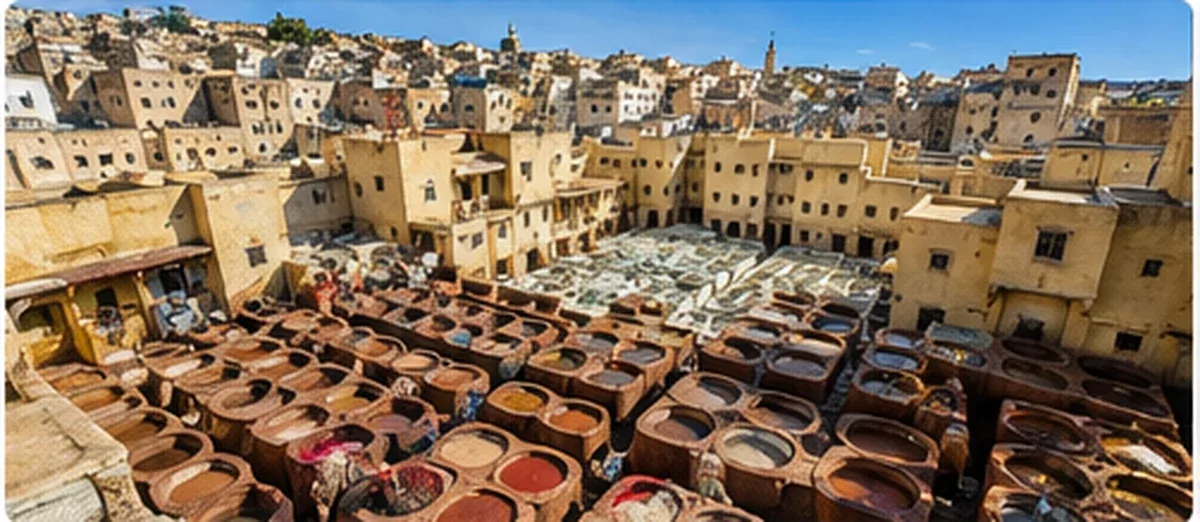
Fes is one of the places where a licensed local guide adds real value. Fes el-Bali is not simply a collection of attractions connected by alleys; it is a functioning historic city with neighborhoods, workshops, religious buildings, markets and movement that are difficult to understand from a map. UNESCO describes the Medina of Fez as one of the most extensive and best-conserved historic towns of the Arab-Muslim world. You can read the UNESCO Medina of Fez listing before you arrive.
Give Fes at least one full guided day and, if you have the time, a second half-day or full day with more independence. That allows the first day to explain the city and the second to revisit what actually interested you: craftsmanship, architecture, food, photography, pottery or simply slower wandering.
Fes also works naturally before an Erg Chebbi desert route. The drive toward Merzouga is long, but the Middle Atlas, Midelt area and Ziz Valley create a clear geographic transition. It is better to accept that as one substantial road day than to pretend the Sahara is close.
The Sahara should be more than one sunset
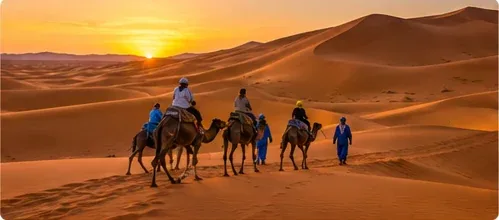
If the desert is one of your main reasons for coming to Morocco, give it more than a late arrival, short camel ride and dawn departure. Around Erg Chebbi, an extra day can include a circuit around the dune field, local stops, a slower camp arrival and time to experience the landscape when the light and temperature change. A M’Hamid or Erg Chigaga route needs even more planning because reaching the deeper desert is part of the experience.
Choose the desert according to the whole route. Erg Chebbi fits especially well between Fes and the southern valleys. M’Hamid and Erg Chigaga fit naturally with a Marrakech–Ouarzazate–Draa Valley direction and are stronger choices for travelers who want trekking or a more remote desert rhythm. Neither is automatically “better”; they serve different itineraries.
Season matters. Morocco’s National Tourist Office describes spring and autumn as particularly suitable for the Sahara. Its official climate and seasons guidance is a useful starting point, but your exact route, walking time, camp style and sensitivity to cold or heat matter more than a generic monthly average.
Todra, Dadès and Aït Ben Haddou: use the south as a journey, not a transfer
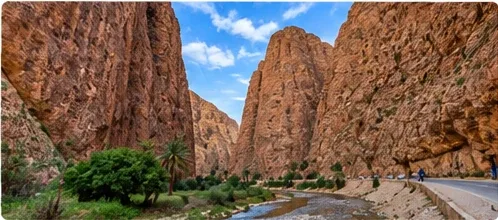
The road between the Sahara and Marrakech is not empty space. Tinghir’s palm landscapes, Todra Gorge, Dadès, Skoura and the kasbah country create a gradual return from desert to mountain. You do not need to stop at every viewpoint, but you should allow enough time to understand why southern Morocco feels different from Fes or the Atlantic cities.
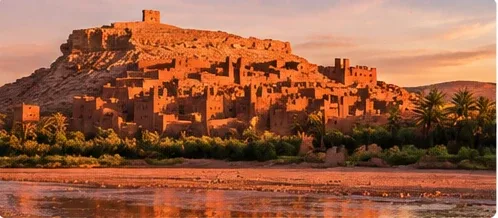
Aït Ben Haddou deserves a proper walking stop rather than only a roadside photograph. UNESCO lists the Ksar of Aït-Ben-Haddou as one of Morocco’s World Heritage properties, and the value of the place comes from its earthen architecture and settlement form, not simply from its film associations. The best visit is easier to appreciate when you are not racing to reach Marrakech before dark.
This is also where we resist inflated itineraries. If the day already includes Dadès, Ouarzazate, Aït Ben Haddou and the High Atlas crossing, adding multiple long guided visits can make every stop shallow. Protect the places that matter most and let the road retain some breathing room.
Marrakech works best near the beginning or end of a larger route
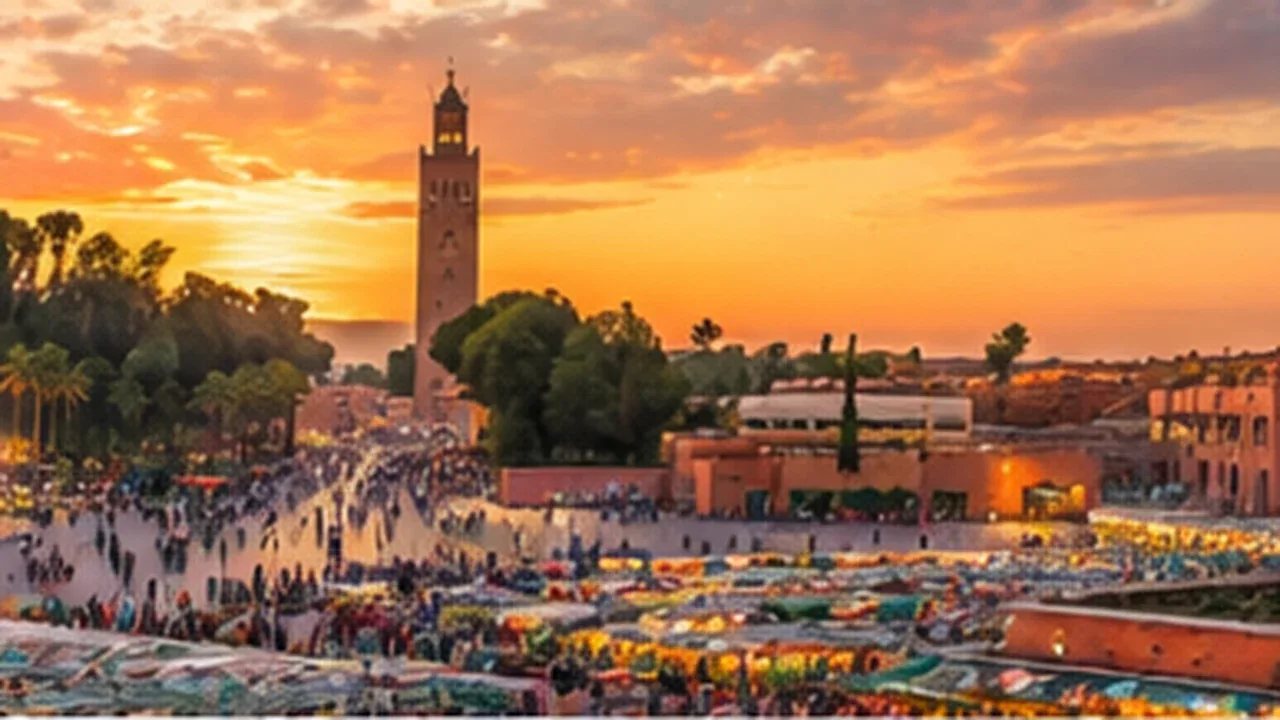
Marrakech deserves two or three nights on a 14-day first trip, especially if it is your final major city after the Sahara. You can explore the medina with more patience when you are not worrying about a six-hour drive the same afternoon. Group your time sensibly: one day for orientation, souks and the central medina; another for architecture, gardens or a hammam; and a flexible final day for deeper city time or a short excursion.
UNESCO’s Medina of Marrakesh listing is useful background because it explains the city’s historic urban importance beyond the shopping streets. On the ground, however, rhythm matters just as much as monuments. The city becomes tiring when every palace, garden and market is forced into one continuous checklist.
If you have already crossed the Atlas and spent days in the south, do not automatically use the final Marrakech day for another long excursion. Sometimes the better choice is lunch, a hammam, a rooftop, last shopping and an early night before the flight.
Route 2 — Atlas and Sahara: for travelers who want to walk
An active two-week route should not simply add hikes to a standard sightseeing circuit. Build the whole itinerary around walking. Start with two days in Marrakech, then move into the High Atlas for two or three nights. Imlil is the best-known base for many routes, but the exact walk should match season, fitness and local conditions. A Toubkal summit is a specific mountain objective, not something to add casually because a blog lists it.
From the Atlas, return toward the southern road and continue through Aït Ben Haddou and the Draa Valley toward M’Hamid. A multi-day desert trek works best when you give it enough days to establish a rhythm: walking early, resting when the sun is strongest, moving again later, and letting camp life remain simple. Erg Chigaga can form part of that journey, but access and support should be confirmed rather than implied.
A realistic structure could be: Days 1–2 Marrakech; Days 3–5 High Atlas; Day 6 south through Aït Ben Haddou/Ouarzazate; Day 7 Draa Valley to M’Hamid; Days 8–10 desert trek; Day 11 return north; Day 12 Aït Ben Haddou or Ouarzazate region depending on routing; Days 13–14 Marrakech. The point is not the exact numbering. It is that the walking sections receive actual time.
Route 3 — Culture, Atlantic coast and Sahara without collecting every city
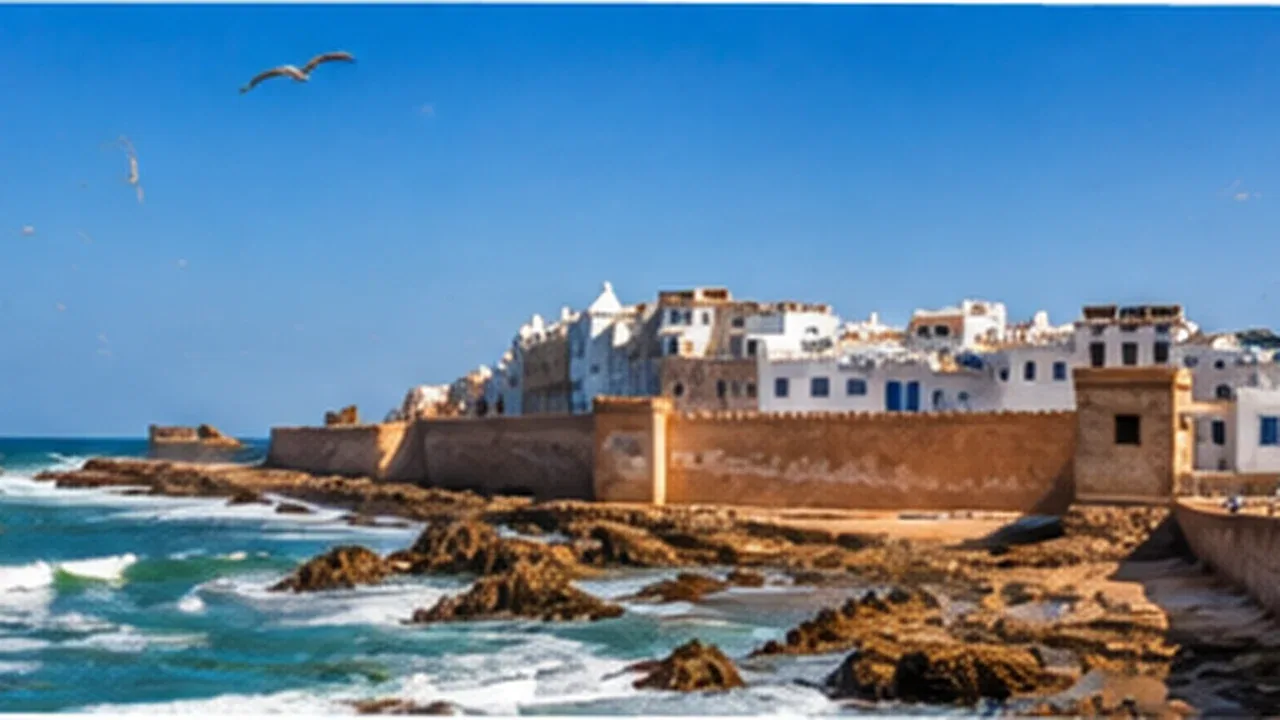
For travelers who want the Atlantic as well as the interior, start or finish in Marrakech and give Essaouira two nights. The coastal change is meaningful: wind, fishing activity, fortified medina streets and a different pace create a genuine break from the inland cities. UNESCO describes Essaouira as a late-18th-century fortified town and historic trading seaport; the UNESCO Medina of Essaouira listing gives useful context before you visit.
From Essaouira, return toward Marrakech and then travel south through the High Atlas and kasbah country to the desert. If you continue afterward toward Fes, plan the Sahara as the bridge between the south and the north rather than returning all the way to Marrakech again. This avoids unnecessary backtracking.
With only fourteen days, adding Tangier and Chefchaouen to this coast-and-desert route can work only if the trip becomes faster. For many travelers, it is better to choose either the north or the Atlantic coast as the secondary region. Two weeks gives variety; it does not remove geography.
How much driving is too much in a 14-day Morocco itinerary?
Morocco looks compact on a map, but mountain crossings, medina access, road conditions and stops make travel days longer than a straight-line distance suggests. A successful two-week route usually contains a few substantial driving days balanced by full days on foot. Problems begin when nearly every day combines five or six hours of driving with a full sightseeing program.
Before booking, ask for the start city, end city and approximate driving expectation for each day. Check whether a “visit” means a guided two-hour stop, a twenty-minute photo break or simply passing through. Those details matter more than the number of destination names in the tour title.
Private transport is useful because it lets the day respond to the travelers, but private does not make distance disappear. A good driver and itinerary designer can make a long crossing comfortable; they should not pretend it is short.
When to travel: build the season into the route
Spring and autumn are convenient for a broad itinerary because they balance cities, mountains and the Sahara reasonably well. Winter can be excellent for the south and city sightseeing, but mountain mornings and desert nights may be cold. Summer requires more careful pacing, especially for the interior and Sahara; it may be a better time to give more weight to the Atlantic or higher elevations.
Do not write your entire route around a historical average. A week before departure, check short-term conditions for the places that matter most and be ready for small adjustments. A two-week itinerary crosses several climatic zones, so the weather in Marrakech is not enough to describe what you will experience in Chefchaouen, the Atlas and the Sahara.
Packing should follow the same logic: breathable daytime clothing, a warm layer, good walking shoes, sun protection and a small day bag. In winter, add real insulation. On a trekking route, equipment requirements depend on the guide, accommodation and luggage support.
What we would remove from an overpacked two-week plan
The first thing to remove is a destination that exists only because it is famous. If your route already includes Fes and Marrakech, adding another city is worthwhile only if it changes the journey. If you already have several mountain days, another rushed mountain excursion may not add much. If the Sahara is central to the trip, protect it before adding an extra coastal stop.
We also remove unsupported promises. A specific local encounter, meal with a family, luxury camp standard, activity or exact stop should appear only when it is part of the confirmed package. A blog can explain possibilities, but an itinerary should separate confirmed inclusions from optional experiences.
Finally, remove unrealistic price tables unless they are based on a real quotation. Accommodation level, season, transport, guide requirements, camp type, group size and flights change the total too much for a generic table to be useful. It is more honest to explain cost drivers and price the actual trip.
How to choose between the three routes
Choose the first-time grand route if this is your first Morocco trip and you want the strongest cross-section of cities, Rif scenery, Fes, Sahara and Marrakech. Choose the Atlas-and-desert route if walking and landscape matter more than collecting cities. Choose the coast-and-desert route if you want a slower Atlantic contrast and are comfortable leaving some northern destinations for another trip.
Then test the route against three questions: How many one-night stays are there? How many days contain more than one major transfer? How many places have at least a full morning or afternoon with no luggage movement? A route with answers you like is usually stronger than one with a longer list of attractions.
DesertBrise can adapt these structures to your arrival airport, departure airport, walking level, accommodation style and preferred desert. The purpose of a private itinerary is not to squeeze in more places. It is to make the time you have work better.
A practical 14-day planning checklist before you book
Start with flights, not with a map full of pins. Write down where you can arrive and where you can depart without creating an expensive or awkward connection. An open-jaw trip — for example arriving in Casablanca and leaving from Marrakech — can save a return journey. If your flights use the same airport, design a loop that still avoids unnecessary backtracking.
Next, decide which two experiences are non-negotiable. If they are Fes and the Sahara, build around them first. If they are hiking and M’Hamid, do not spend half the trip collecting northern cities. If they are Marrakech and Essaouira, give the Atlantic enough time to feel different rather than treating it as a lunch stop.
Then count hotel changes. Seven hotels in fourteen nights may feel fine; eleven usually means too much luggage movement for many travelers. Look for two-night stays after demanding transfer days. Finally, ask what is actually included: local guides, monument entries, meals, camel ride, 4x4 transfer, camp category and airport transfers. The clearer those answers are, the easier it is to compare itineraries fairly.