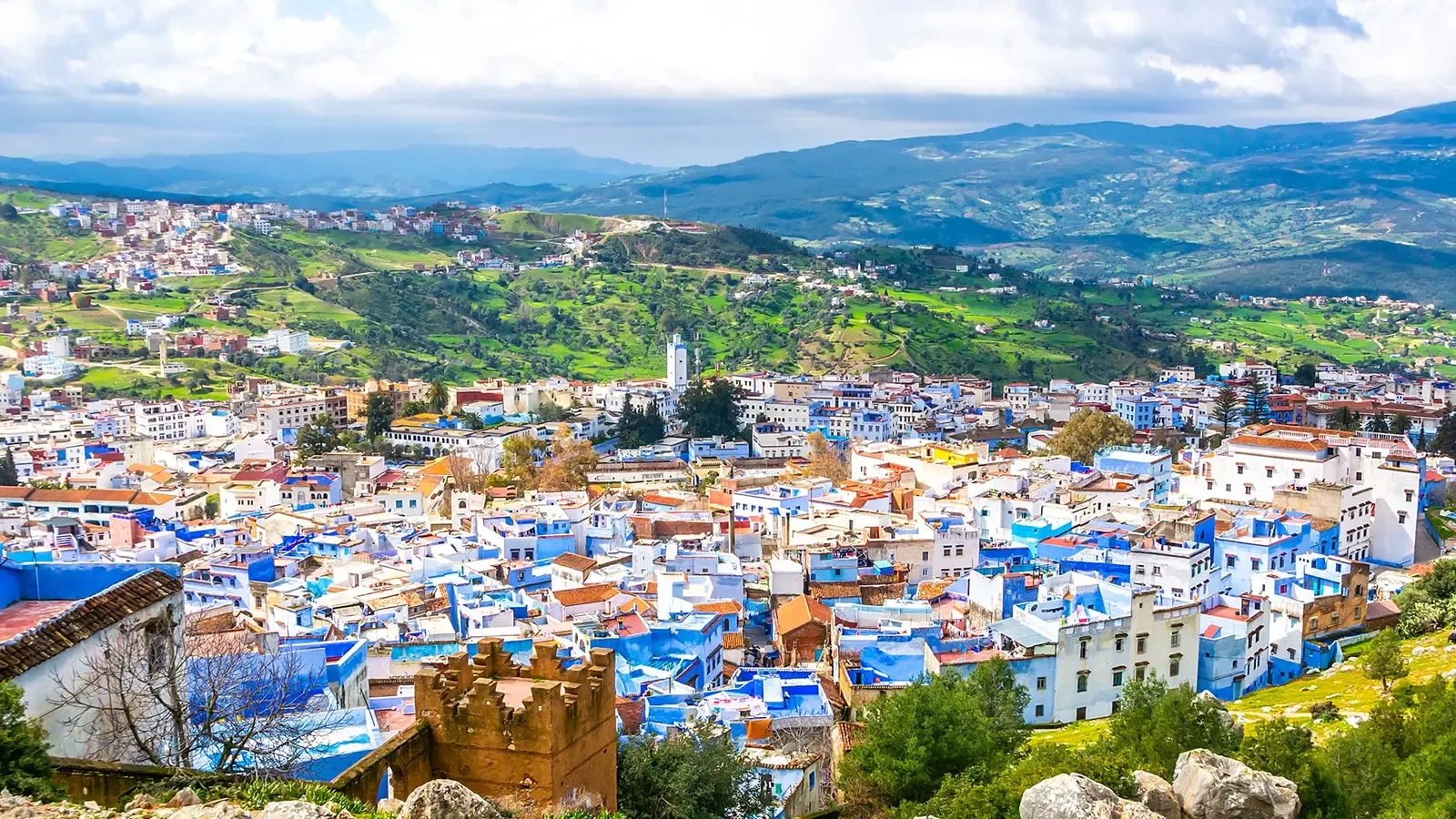
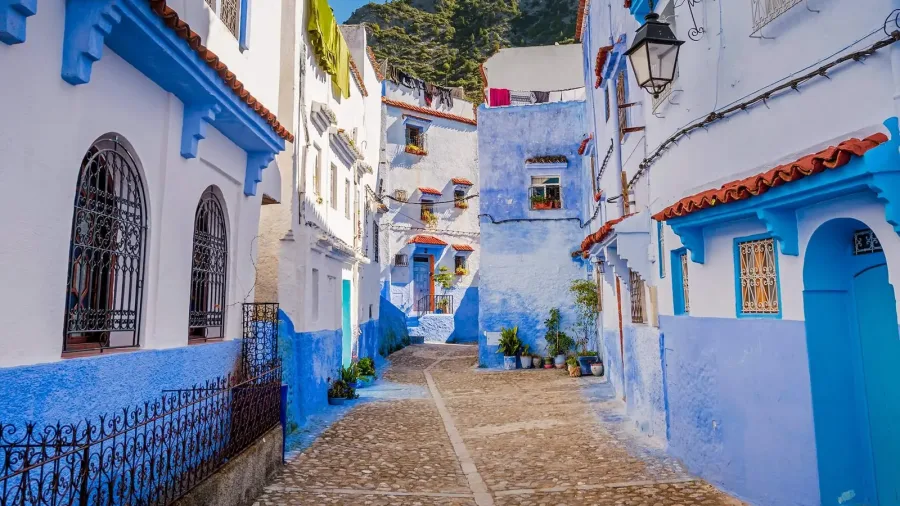
The Blue Medina
Walk selected lanes with time for steps and pauses. These are residential streets as well as places visitors photograph; keep doorways clear.
A Rif town best approached on foot, with room for everyday life beyond the photographs.
Plan Chefchaouen around a medina stay, a hill walk or a separate Akchour outing. Leave time for steps, road arrivals and the people who live here.
A lane changes as people open their shops, carry shopping home or stop to talk. In Chefchaouen, the blue walls are the setting for that life. Staying gives you a chance to return to a street at another hour, take a longer lunch and discover which small corners hold your attention.
The town also sits against the Rif Mountains. That does not make a day in the medina and a day on a mountain trail the same plan. Give each the time and preparation it needs.
Outa el-Hammam, the kasbah and nearby lanes make a useful beginning. Beyond them, the old town climbs through passages and steps. Ask your accommodation where a vehicle can stop and how luggage reaches the door; a short distance on a map can still mean an uphill walk.
Take time to notice doors, woven goods and the way small squares connect the neighbourhoods. Ask before photographing residents or entering a decorated private doorway. Stories about the blue paint have several explanations; avoid treating one appealing account as a settled historical fact.
The route towards the Spanish Mosque rises above the town. Choose footwear, allow a comfortable pace and leave time to return with adequate light. A viewpoint can be rewarding without a promised sunset, and it need not be part of every visit.
Akchour requires a road journey and then time on foot. The waterfall paths and the route towards God’s Bridge are different choices, not one automatic circuit. Discuss the actual trail, surface, current conditions and turnaround point before leaving. Water levels and weather can change the experience.
An overnight stay protects time before or after a road transfer; a second full day can suit a planned walk or a slower town stay. Connect the visit with Tangier or Fes without treating the roads as sightseeing time. Share your arrival point and walking interests to plan Chefchaouen within your trip.
Walk selected lanes with time for steps and pauses. These are residential streets as well as places visitors photograph; keep doorways clear.
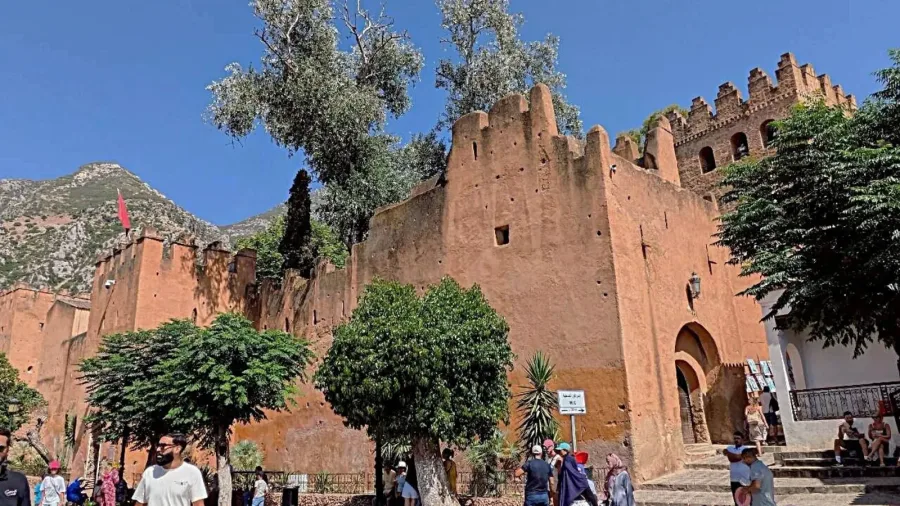
The ochre walls anchor the main square. Check current visiting arrangements before planning an interior visit or expecting access to a tower.
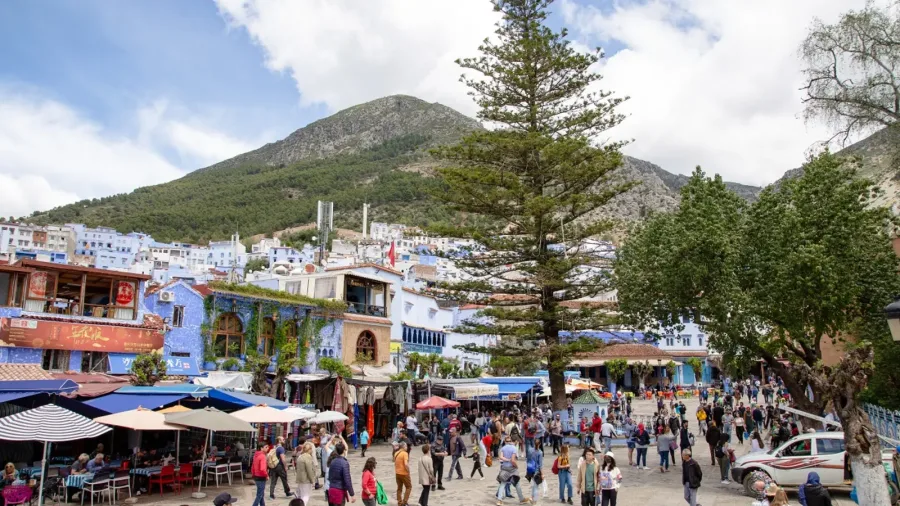
Use the square for orientation and a pause between walks. Choose a café for your own pace rather than treating the whole town as a photo route.
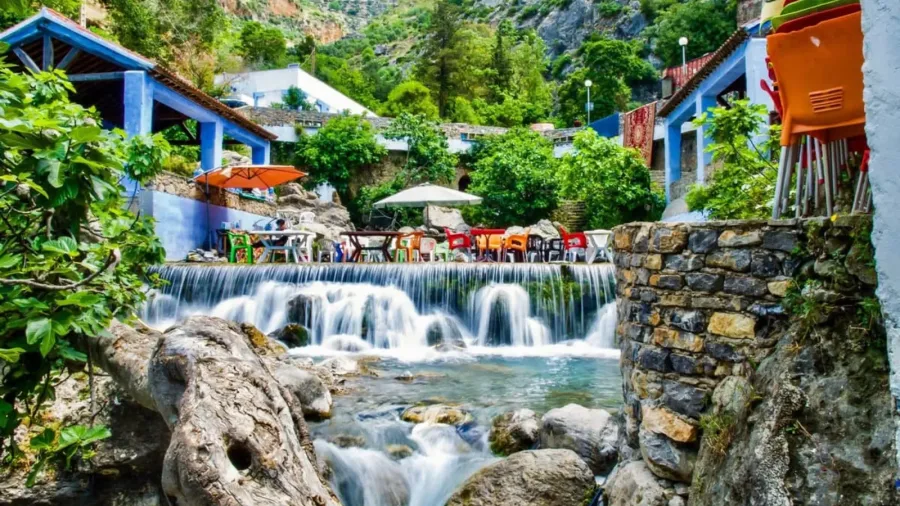
Walk towards the water at the edge of the medina. Respect the people using the area and expect the flow and atmosphere to vary.
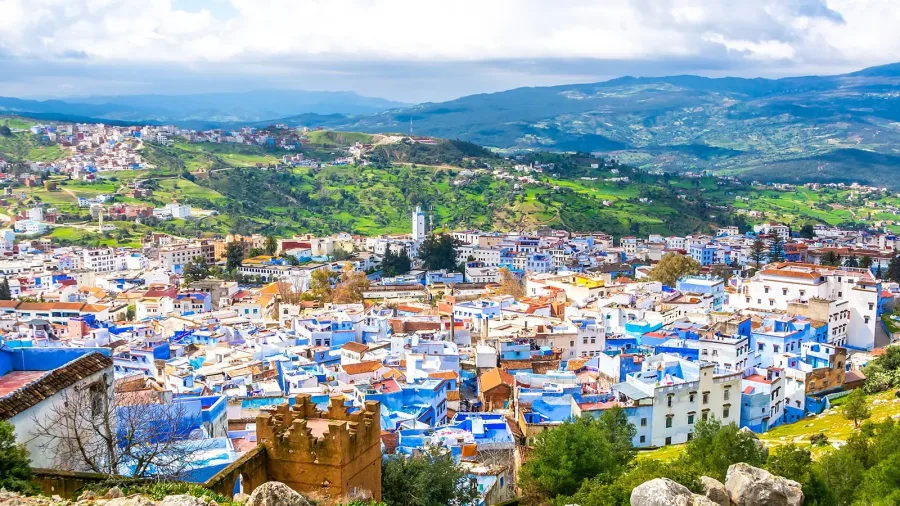
This uphill walk opens a wider view over the town. Allow for the return, changing light and your group’s comfort on the path.
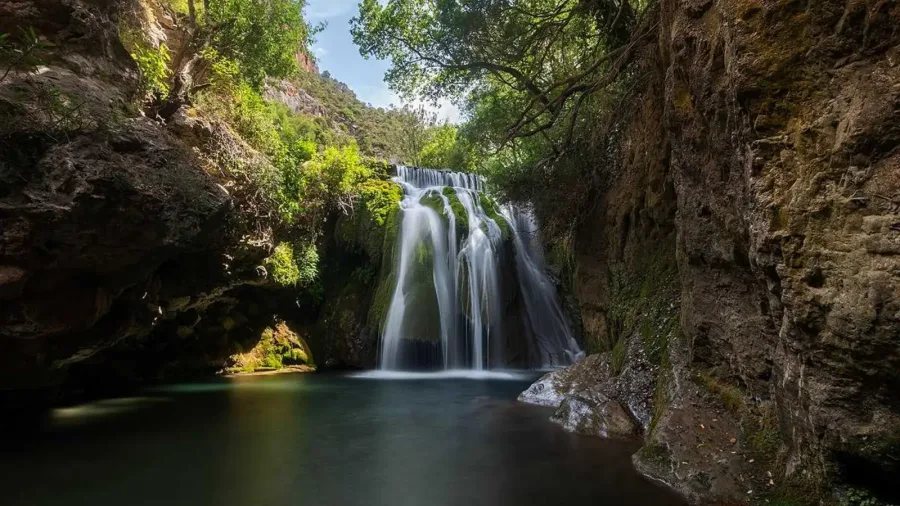
Set aside road and walking time for a chosen trail. Waterfalls and God’s Bridge involve different routes; current conditions guide the choice.
An overnight stay lets you walk at another hour. Ask before photographing people and avoid blocking a passage for a picture.
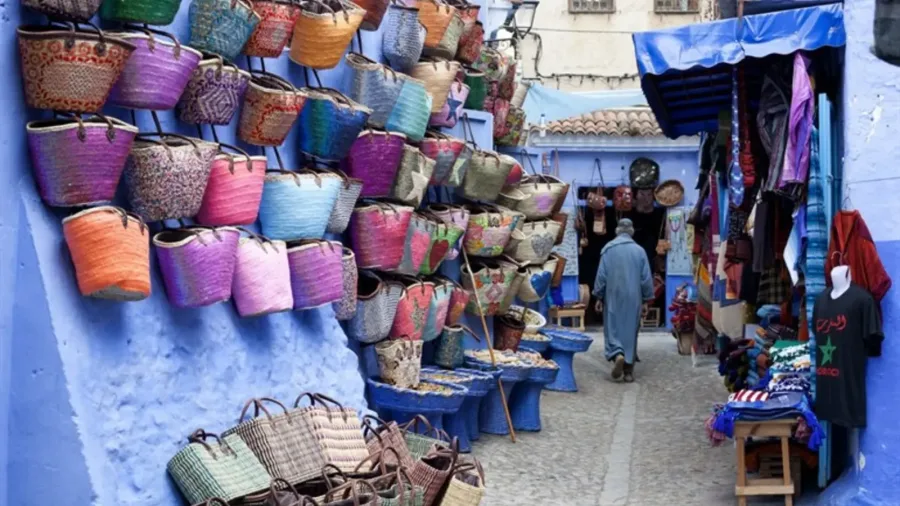
Browse textiles, baskets and small shops at your own pace. Ask about how an object is made and where it comes from.
Request a cooking session only if you want a booked activity. Establish the host, menu, language and what you will do before reserving time.
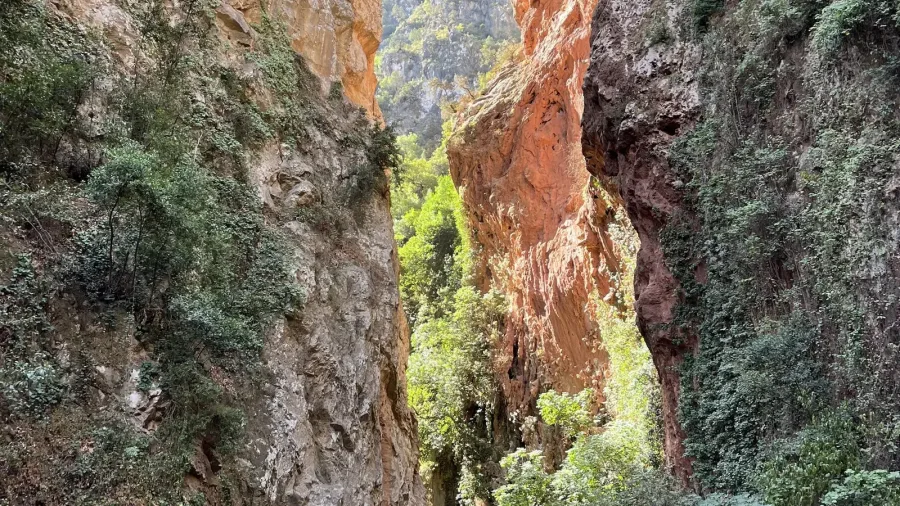
Discuss the route and current path conditions before setting off. Do not assume the natural arch and the main waterfalls form one easy loop.
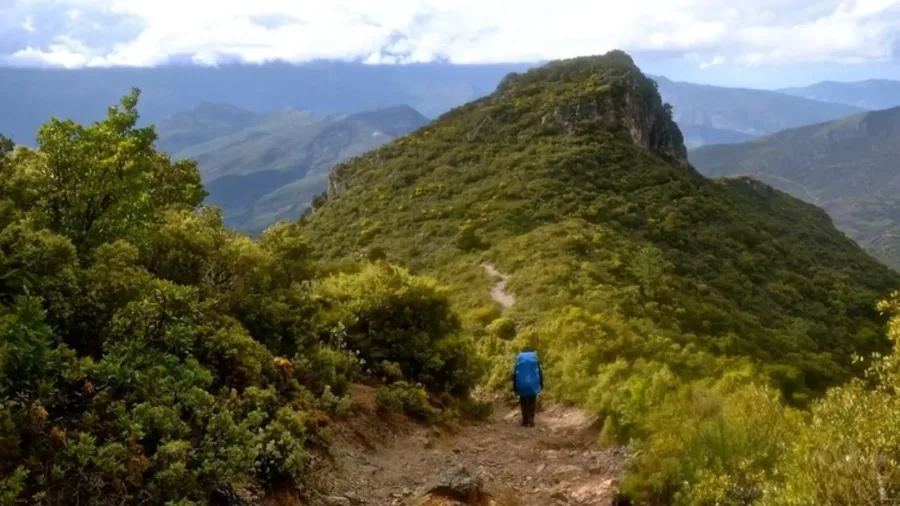
Choose terrain, walking duration and support to match your group. A mountain day needs its own plan beyond a medina stroll.
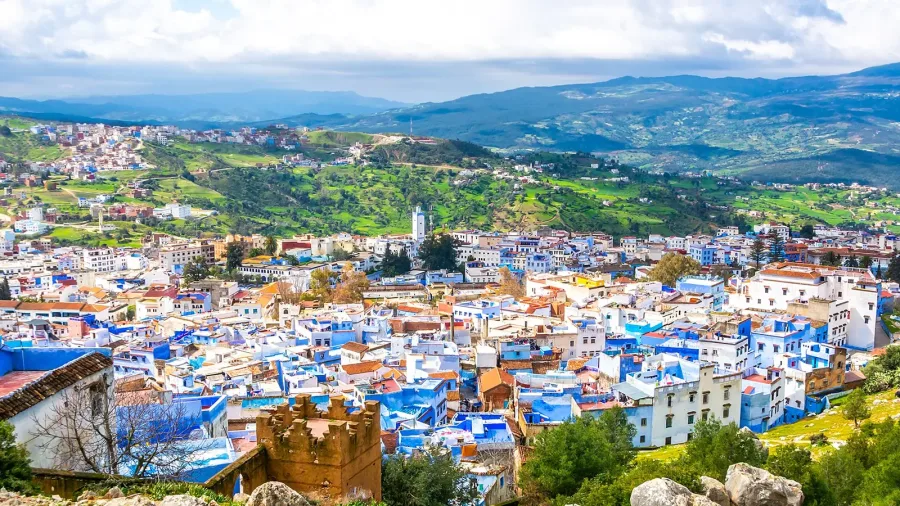
Take a viewpoint walk if conditions suit. Keep enough light for the descent and leave the evening flexible rather than chasing a guaranteed sunset.
Tell us your available nights, arrival city and whether you prefer the medina, a viewpoint walk or a dedicated mountain day.
One night can leave time around arrival and departure. Two nights give more flexibility for the medina or a separate walking day; road journeys reduce the usable hours.
Treat it as a separate outing with transport and walking time. Choose a specific trail rather than assuming all waterfalls and the arch fit into a short visit.
Confirm the exact stopping point, steps and luggage arrangements. Much of a medina stay involves walking, even when the property looks close to a road.
It involves an uphill path. Discuss mobility and comfort, footwear, conditions and return light before deciding whether to include it.
Several explanations circulate about the painting tradition. There is no need to present one story as a confirmed origin; the present town is richer than a single explanation.
Use footwear suited to the chosen route, water and layers appropriate to current weather. Longer walks need a specific plan for terrain, support and turnaround time.