Give the days jobs before giving them destinations
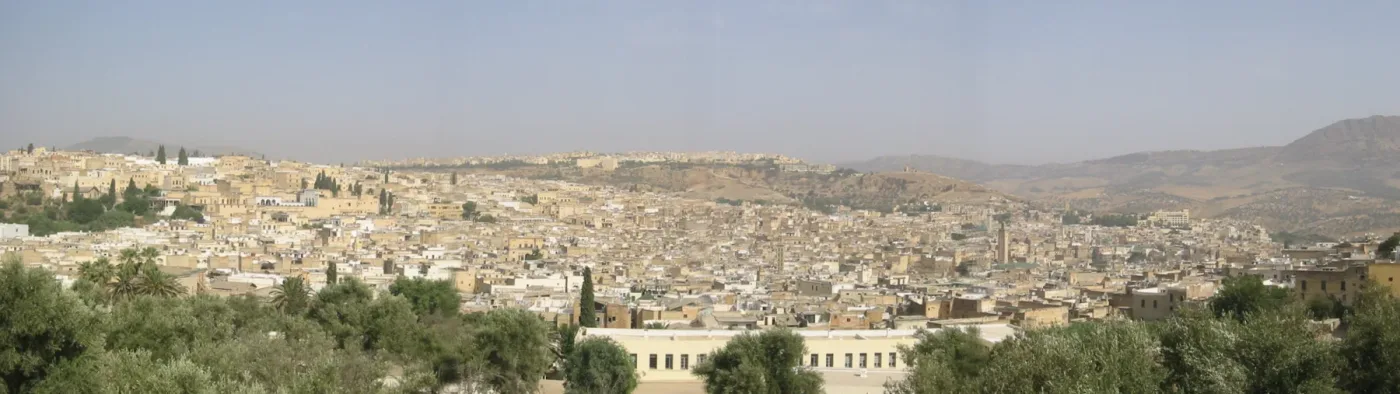
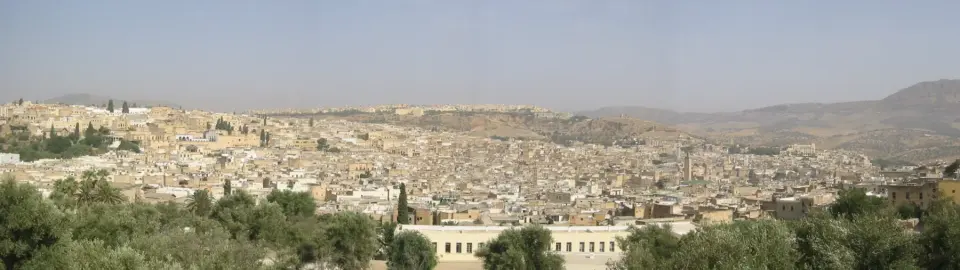
A place where you arrive late and leave early is an overnight stop, not a full day of discovery. This distinction matters when planning Morocco. The mountains, valleys and cities are part of a large journey, and changing base uses more than the time spent moving between two points.
Write arrival and departure first. Then count the nights between them and identify the days that genuinely remain open. A seven-calendar-day holiday normally has six nights in this example; ten has nine and fourteen has thirteen. Different flight timings can make those stays feel very different.
Build around the things you want to enjoy slowly. A morning in a medina or an evening watching the dune ridges may be the reason for coming. Protecting that time is more useful than filling every gap with another place name.
Seven days: choose the part of Morocco you want most
For a northern focus, a simple six-night sketch is two nights in Tangier, two in Chefchaouen and two in Fes, with travel and your departure arranged around those bases. It gives the north its own identity instead of treating it as the approach to somewhere far south. This is a planning idea, not a scheduled shared product on our site.
A different week can pair Marrakech with a short desert journey. The price of that choice is time on the road. Do not also add the Atlantic coast and a northern loop simply because their names fit on the same page.
If the dune night matters most, accept the compact crossing on its own terms. If city walks and fewer long drives matter more, a regional week can be the stronger holiday. Neither has to apologise for leaving places for another visit.
Ten days: connect the desert with proper city time
One nine-night sketch begins with two nights in Marrakech. The published three-day shared route to Fes via Merzouga then adds one night in Dadès, one at the Erg Chebbi camp and arrival in Fes on its third day.
Stay three nights in Fes after that arrival, then plan one night in Rabat and one in Casablanca before departure, if your actual travel connections support it. The nine nights are accounted for: two Marrakech, one Dadès, one camp, three Fes, one Rabat and one Casablanca. City stays and connections outside the three-day segment are separate arrangements.
The three nights in Fes provide two full days after the road. This is the useful difference between a route that merely reaches a city and a holiday that lets you discover it. Leave the final arrangements flexible enough for your flight schedule.
Fourteen days: spend the extra time where you care about it
You do not need to add a new destination for every extra day. A thirteen-night variation of the same direction could use four nights in Marrakech, one Dadès night, one camp night, four in Fes, two in Rabat and one in Casablanca. The short shared segment remains the published Marrakech-to-Fes route; the surrounding stays are your wider holiday.
This version favours cities and a southern crossing. It deliberately leaves out Chefchaouen and Essaouira rather than pretend two weeks automatically covers every region. Longer city stays make room for a quieter day, a second look at a neighbourhood or simply changing your mind about the next morning.
If the coast matters more, redesign the wider route around that priority rather than attach it to the end without counting the return. A fourteen-day holiday can feel spacious or hurried depending on where the days go.
Count the desert hours separately from the tour days
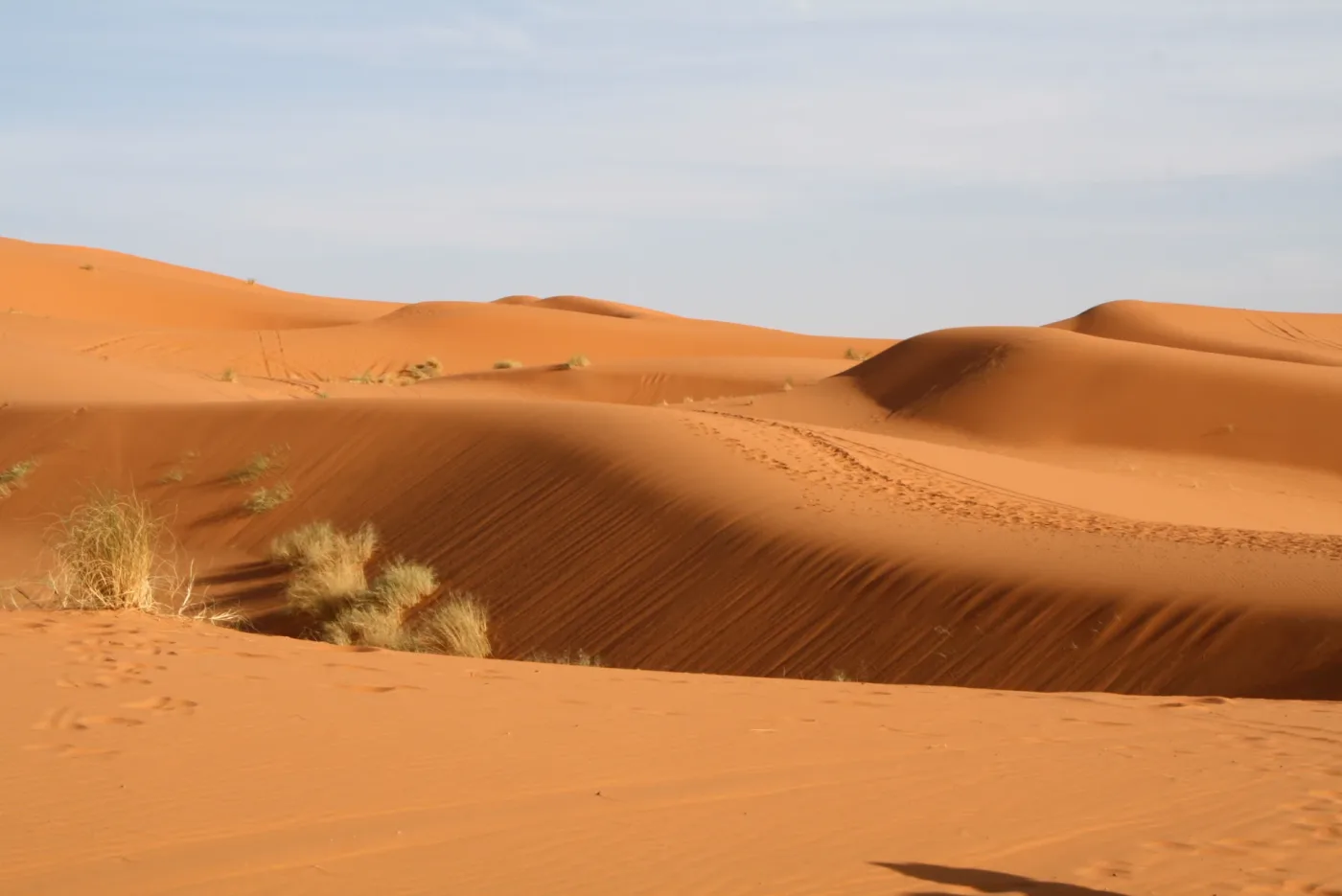
A three-day Merzouga journey has a Dadès night and one camp night. The road across the Atlas and the continuing road after the dunes occupy substantial time. The evening and following morning at Erg Chebbi are a particular chapter of that journey, not three full days in the sand.
The five-day Marrakech–Merzouga return programme also has one camp night. Its other nights are Marrakech, Dadès and Aït Benhaddou. It gives a different city-and-road arrangement rather than automatically a longer desert stay.
For the shorter southern comparison, see our guide to two, three and four-day desert trips. Choose a longer desert stay only when the actual programme leaves longer there.
A shared section brings its own timetable
The broader holiday can be independent while the shared segment follows common departure times. Place it where its starting city and endpoint fit naturally. An arrival airport does not move the tour, and an extra city night does not become an included service.
Morocco Tour Marrakech offers daily departures, 100% guaranteed. That helps choose the date of a published route; it does not turn these national holiday sketches into newly listed seven, ten or fourteen-day packages.
Our starting-city guide explains the connections. Before booking flights, compare the whole map and the nights needed on either side of the shared section.
Remove one stop and see what the journey gains
Before deciding, try deleting a destination. Look at what happens to the preceding evening and the following morning. If the whole plan becomes calmer and the remaining places gain real time, the removed stop may have been weakening the holiday.
Keep it if the road itself is something you want to experience. Morocco's changing country can be a reason to travel, not merely an obstacle between sights. The key is to choose that movement knowingly.
Tell us the calendar days you have, your arrival and departure options and the three places that matter most. We can help you position the real shared route and see where the rest of the holiday needs more room.
Photography credits
Mexico1999 · CC BY-SA 4.0 · Adapted.

Rux (Rubén Maté Lecumberri) · CC BY 2.5 · Adapted.
