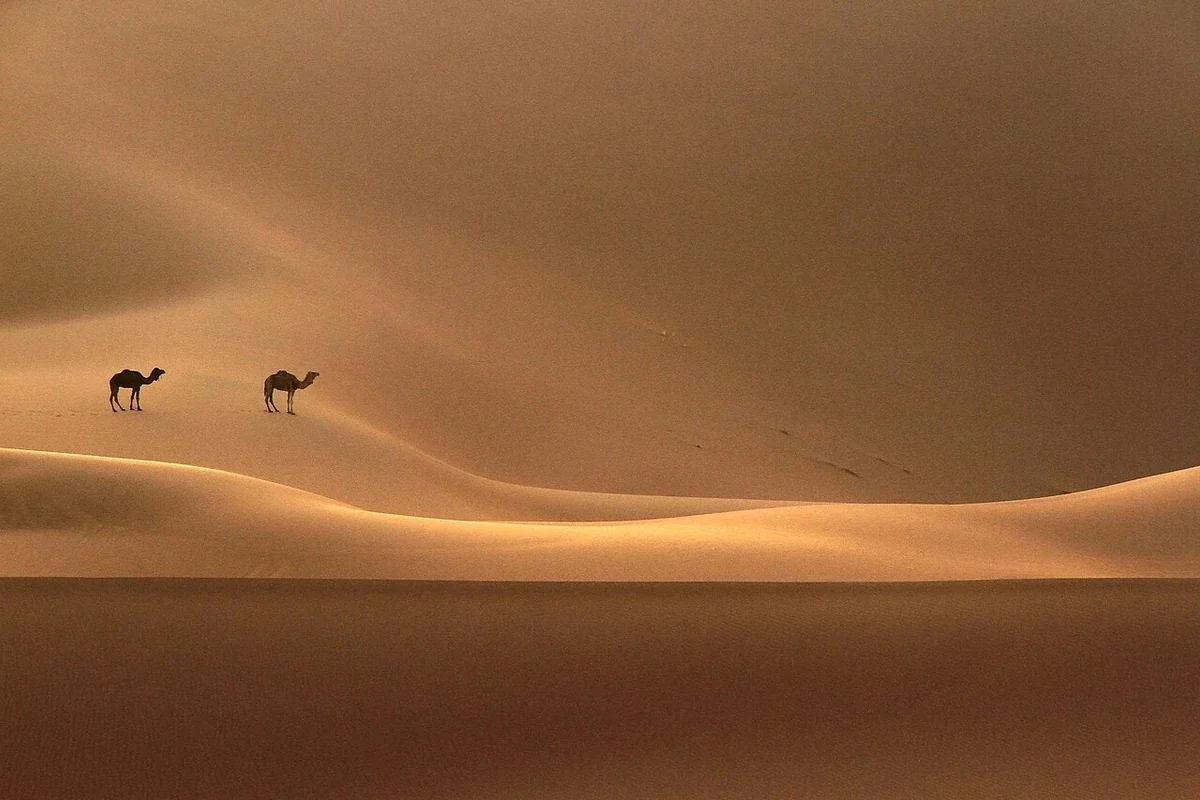
M’Hamid El Ghizlane: Time at the Edge of the Sahara

Begin with the oasis, then choose how far you want to go into the desert.

Understand the difference between staying near M’Hamid, reaching Erg Chigaga by desert track and setting out on a supported walking journey.

Your JourneyYour Priorities
Private & CustomTours
Local ExpertsMorocco Based
No PaymentRequired Now

An arrival point, and a place worth noticing

For many visitors, M’Hamid is the name before the desert camp. For us, the area has a personal place in the story of Morocco Tour Marrakech: Khalil’s roots are here. That connection encourages a different beginning, with time for the oasis and the people who live around it.

Beyond the village, the desert is not one continuous field of high dunes. Open ground, tracks and changing surfaces form part of the journey. Choosing what you want to experience helps distinguish a nearby night from an outing to Erg Chigaga or a longer trek.

Know where your night will be

Ask for the camp location, access method and overnight facilities before choosing. A stay close to the village and a stay at Erg Chigaga create different journeys. The regional tourism board places Chigaga west of M’Hamid, beyond a simple town arrival. Reaching the dunes is part of the program, not a detail to leave until departure.

Separate a camel outing from a walking expedition

A short camel ride can form one part of a camp stay. A supported walking journey asks for a different discussion: walking hours, ground, luggage, water, sleeping arrangements and the support team. Neither should be sold using the other’s description. Tell us whether you want to walk for a little while or make walking the purpose of several days.

Give the oasis a place in the visit

A locally accompanied walk can explain how village and palm-grove spaces relate to one another. Choose the route with someone who understands current access, and treat inhabited areas as people’s homes. Ask before photographing residents closely or entering a private space. There is more to learn here than the photograph taken on the way to the dunes.

Choose nights by time on the ground

From Marrakech, the journey south deserves its own stages. Consider stops around Ouarzazate and the Draa route according to your available nights. An additional night can be valuable when it adds an actual morning or walking day in the desert. Compare departure and arrival hours, rather than selecting by duration alone.

Discuss the conditions for your dates

Season, heat, wind and the chosen route affect how the visit is organized. Ask what is planned for the time of year and what alternatives apply if conditions change. Confirm transport, accommodation and activities in the proposal instead of assuming that every desert stay includes the same services.

Share your dates, route and preferred balance of oasis time, driving and walking to plan your M’Hamid journey.
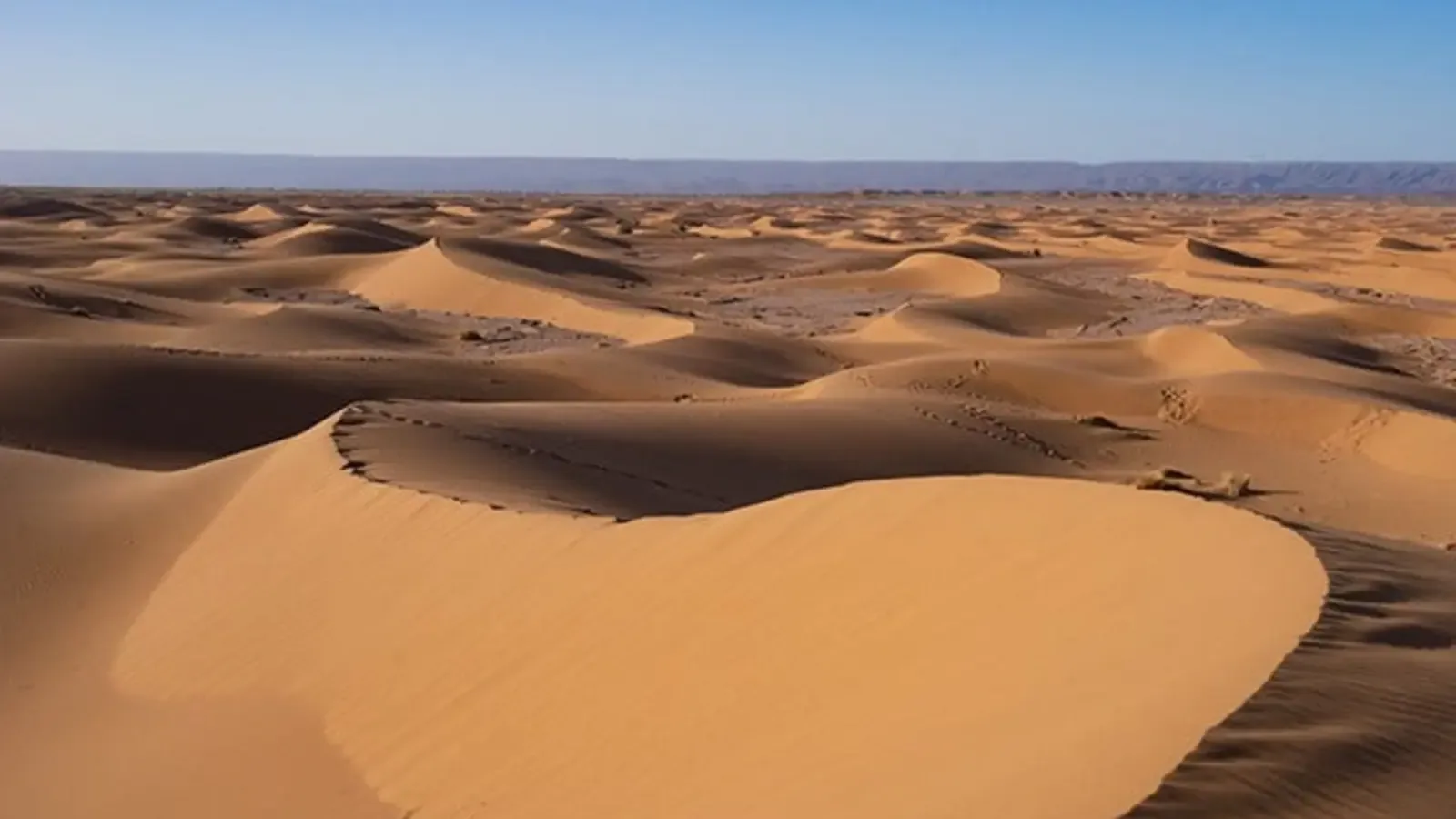
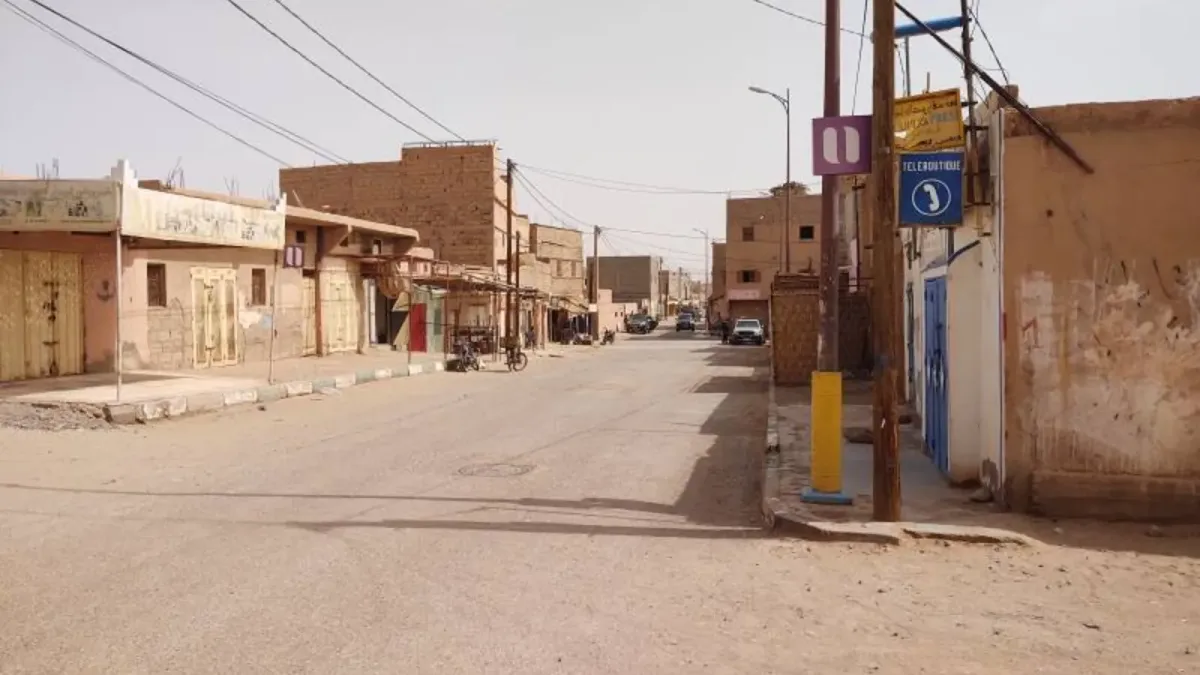
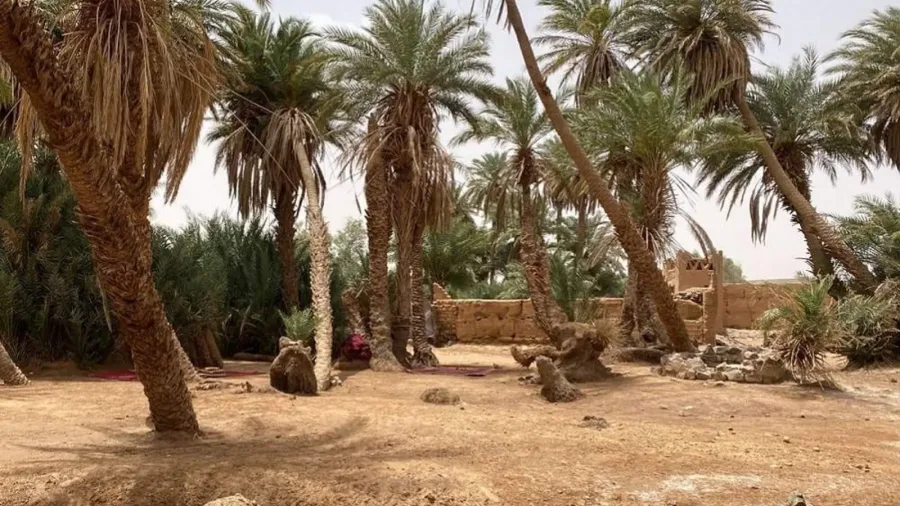
Earthen village lane and date palms in M'Hamid El Ghizlane

Places and landscapes around M’Hamid

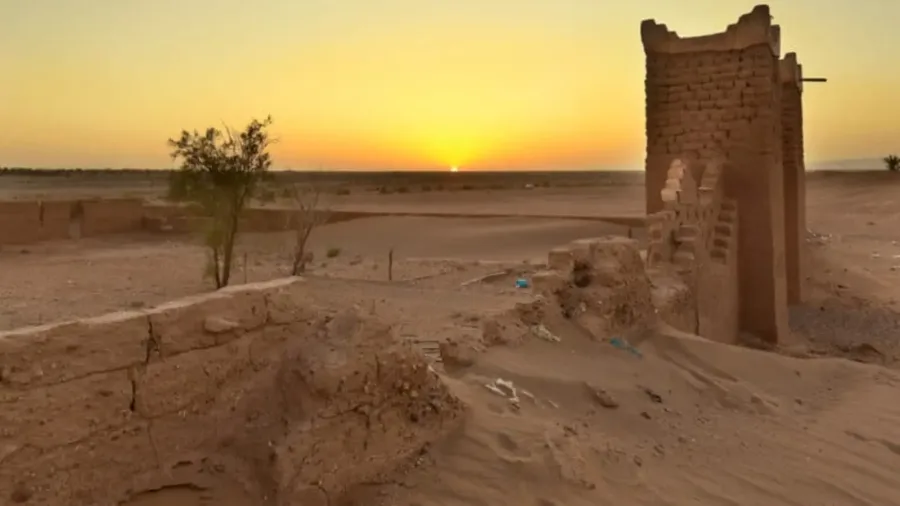
Weathered earthen remains of the old ksar at M'Hamid El Ghizlane

The Old Ksar: Earthen Streets and Living Spaces

Walk with someone who can explain the buildings and the places you may enter. The interest lies in how earthen architecture shapes shade, passages and daily life. Keep the visit attentive to residents: a narrow lane is not automatically a public photography setting, and a closed doorway should remain private.

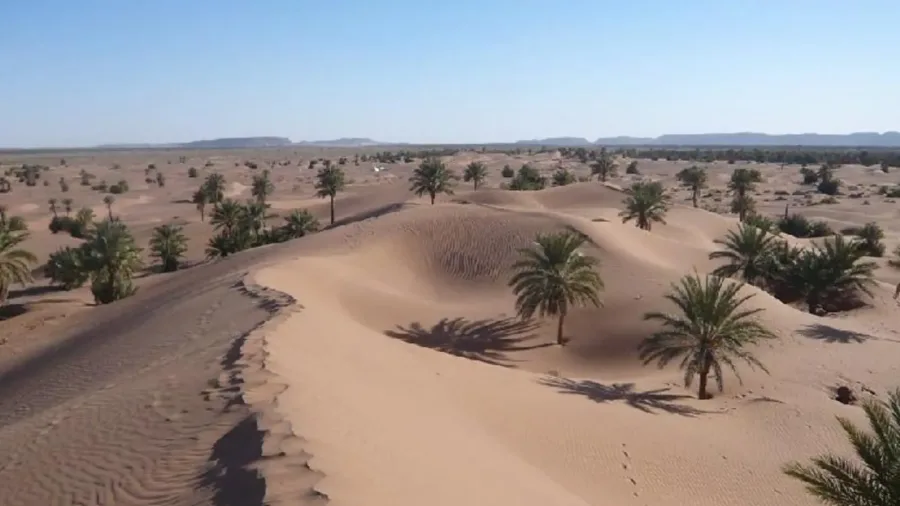
Date palms and cultivated oasis gardens near M'Hamid

The Oasis: Look at the Spaces Between the Palms

An oasis walk becomes more meaningful when it connects vegetation, cultivated areas and settlement. Choose an appropriate route with local accompaniment and ask about the landscape rather than assuming every green space has the same use. Respect fields and paths. This is part of the place itself, not merely a scenic stop before departure.

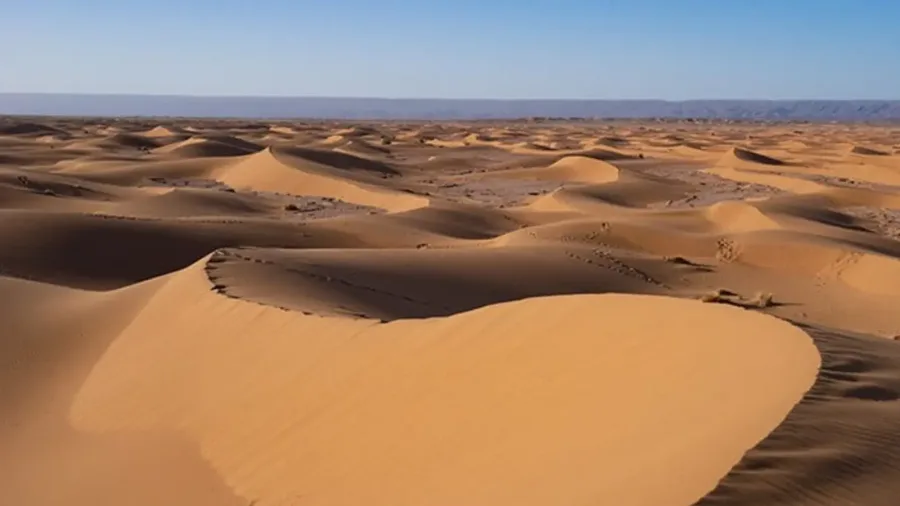
Golden Erg Lihoudi dunes and tamarisk near M'Hamid

Erg Lihoudi: Clarify the Dunes in Your Program

Erg Lihoudi and Erg Chigaga should not be treated as interchangeable names for the same overnight location. Ask which area your proposal includes and how it is reached. That detail helps compare the journey, time on site and accommodation. Choose the setting for the experience you want rather than a generic desert label.

Immense wind-shaped dunes of Erg Chigaga at sunset

Erg Chigaga: Make Room for the Journey In

The approach forms part of the experience, with changing ground before the larger dune landscape. Plan the access with an appropriate local team and leave time after arrival to settle in and walk. A night here should be assessed through its actual arrival and departure schedule, not only the image of the camp.

Date palms at the Sacred Oasis of Oum Lalaag near Erg Chigaga

Oum Lâalag: An Oasis Stop on a Chosen Route

If the route includes this oasis, ask how the stop fits the day and what is accessible. Take an interest in the contrast between vegetation and surrounding open ground, while respecting local arrangements and the site. It should not be added as a guaranteed extra to every journey simply because it appears on a regional map.

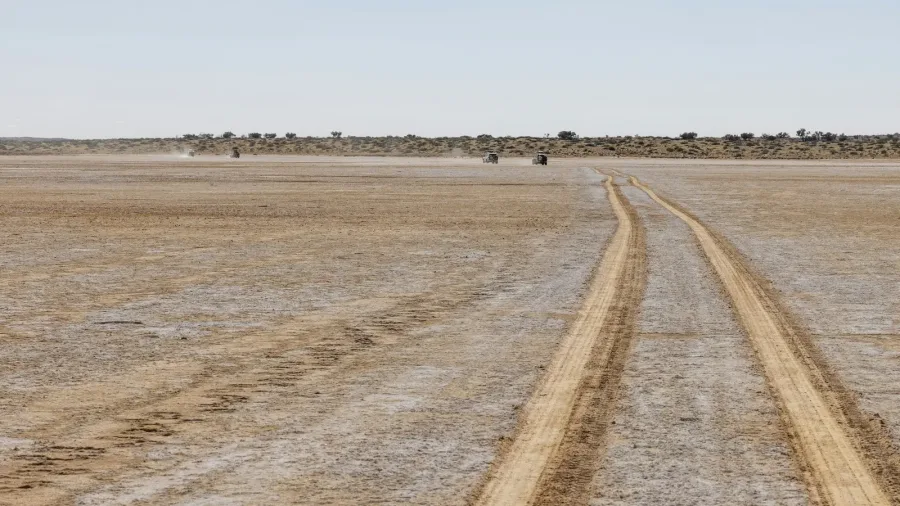
Dry Iriki lake basin with distant volcanic hills and desert sky

The Iriki Basin: Space Beyond the Dune Image

The basin introduces a different scale and surface to a desert route. Do not expect a permanent blue lake from the place name: conditions and appearance vary. Access belongs in a planned route with suitable support. Its interest is in understanding the wider landscape, rather than using it only as a fast crossing.

Choose the desert experience you mean

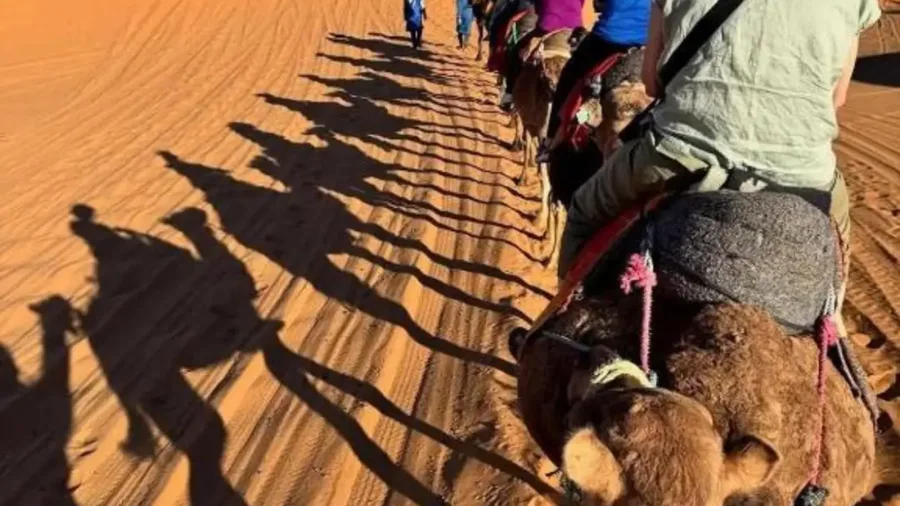
Camel caravan led by a Sahraoui guide near M'Hamid at sunset

Choose What a Camel Outing Adds to Your Stay

Ask about duration, start point and how the outing connects with your overnight arrangements. A short experience and a longer supported journey require different planning. Tell the team about practical needs and preferences, and discuss alternatives if riding is not right for you. Confirm whether this activity belongs in your booked program.

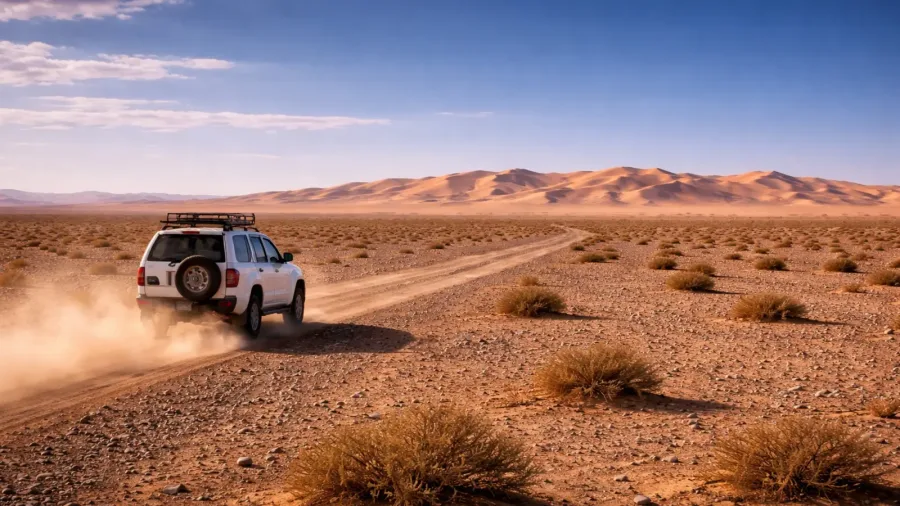
Four-wheel-drive expedition crossing the hamada toward Erg Chigaga

Cross the Desert Track With Time to Observe

For a 4x4 journey to Chigaga, discuss the planned route and stops rather than focusing only on arrival at camp. Open ground, vegetation and sand create changing impressions along the way. The actual track depends on conditions and the agreed itinerary; it should not be presented as a self-drive shortcut from a map.

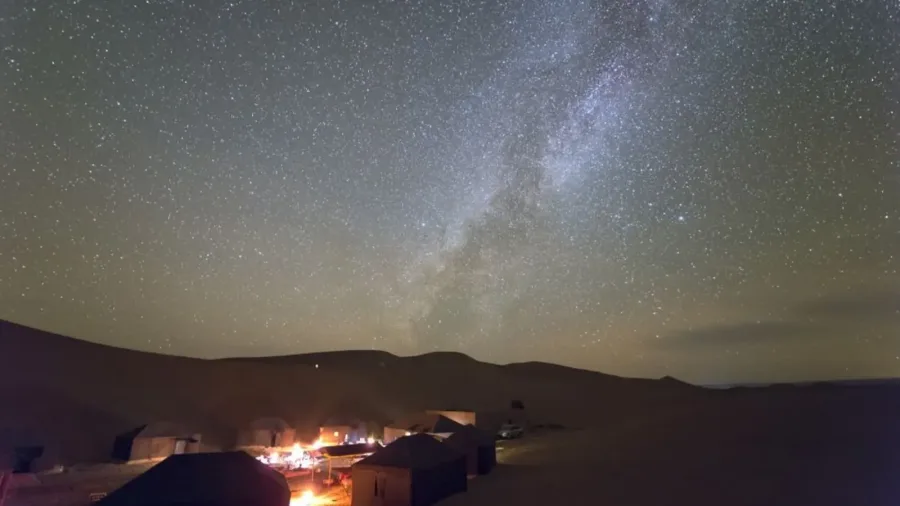
Sahara tents and campfire beneath the Milky Way at Erg Chigaga

Give the Evening and Morning Their Own Time

A desert night can feel very different when you arrive with room to walk before dinner and do not leave immediately at dawn. Compare those hours when choosing your stay. The night sky depends on weather and moonlight; enjoy the setting without treating a particular photograph of stars as a promised condition.

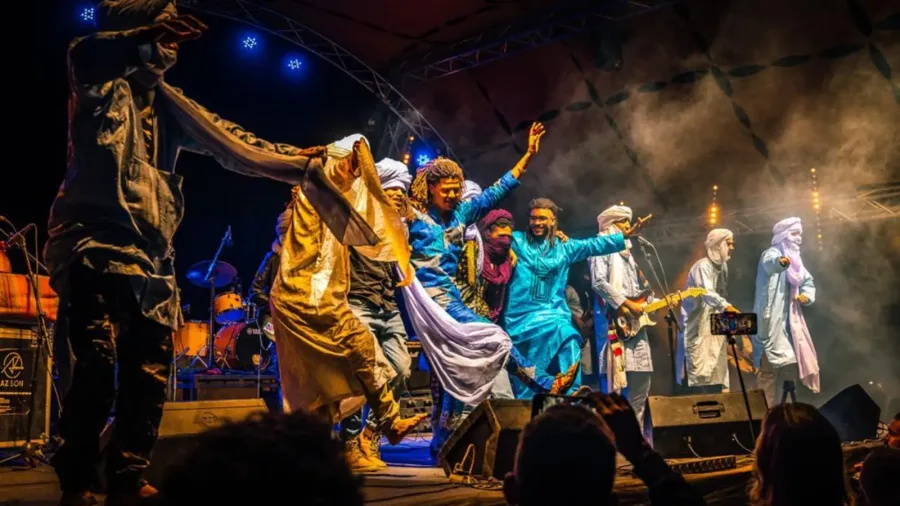
Musicians performing on a lit stage

Listen to Music in Its Setting

When music is part of a visit, leave time to listen and ask about the performers and their instruments. A staged event and a small personal encounter are different experiences. Discuss what is actually arranged for your dates, and treat photographs and recordings as something to ask permission for.

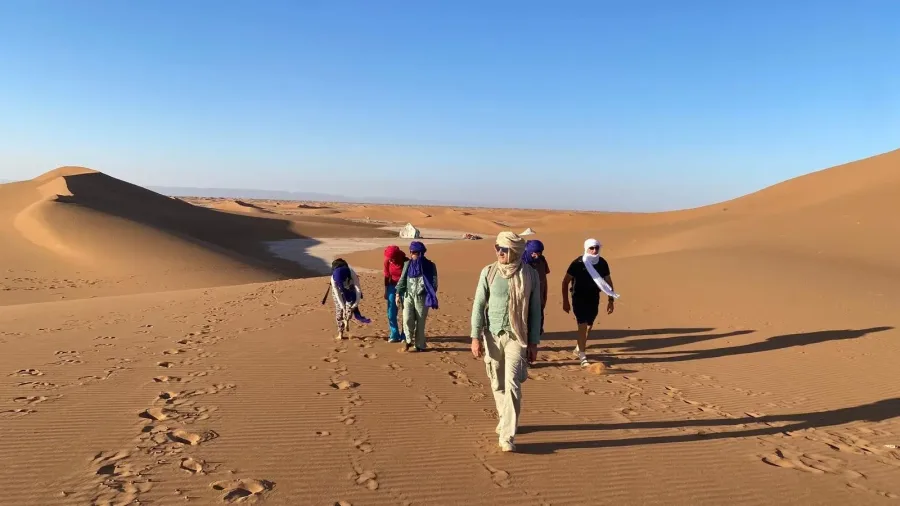
Travelers walking across the Sahara with a Sahraoui desert guide

Plan a Trek Around the Actual Walking Days

Agree the daily distance or hours, terrain, support, water and sleeping arrangements before committing. Explain experience and comfortable pace so the team can assess the route. A trek should be described through what happens each day, including time to rest, rather than the number of nights alone.

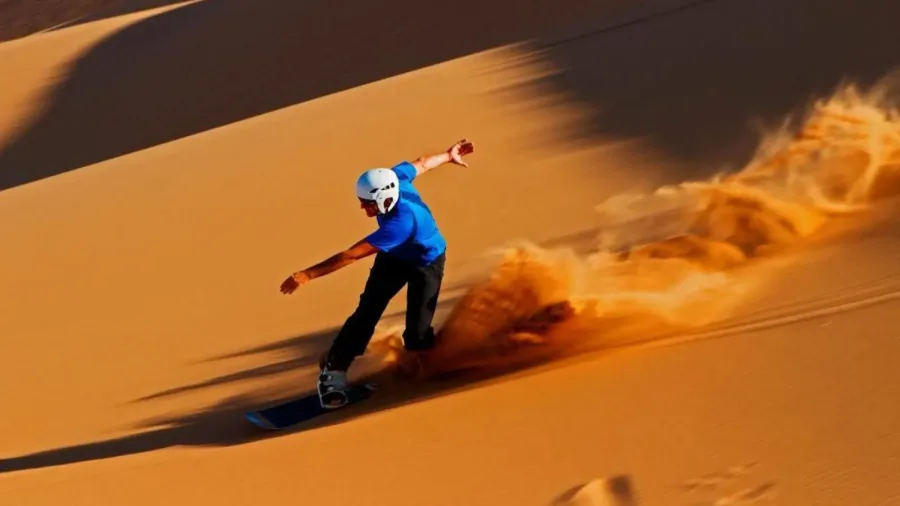
Traveler sandboarding on a tall Erg Chigaga dune

Treat Sandboarding as an Optional Part of the Visit

Ask whether equipment and an appropriate place are available in the chosen program. Conditions and the dune itself affect the experience. Keep the activity separate from the value of the overall stay; a desert journey need not depend on completing every recreational option. Confirm the arrangement instead of assuming it is included.

Read before choosing your desert route

Tell us what you want time for in the desert

We can discuss the oasis, your overnight location and the kind of journey that fits your dates and interests.

Questions to settle before setting out

Does arriving in M’Hamid mean I am already at Erg Chigaga? +

No. M’Hamid is the settlement and departure area; reaching Chigaga is a further part of the desert journey. Ask for the camp area and access method so your itinerary describes where you will actually spend the night.

What should I compare between two camp proposals? +

Look at location, access, arrival and departure times, tent arrangements and included services. Similar camp photographs or the same number of nights can conceal quite different journeys and amounts of time on the ground.

Is a camel outing the same as a desert trek? +

No. A short camel outing can be an activity during a stay. A multi-day walking or supported journey needs a separate discussion of terrain, daily stages, water, luggage, accommodation and the accompanying team.

When is the right time for the journey I want? +

Discuss your dates together with the route and activity. Heat, wind and other conditions influence the plan, especially for walking. Ask how the team organizes that particular period and what adjustments may be needed.

Can children join a M’Hamid journey? +

Suitability depends on ages, road stages, season and camp or trekking arrangements. Share practical needs before selecting the route. Do not assume every desert program is appropriate simply because it is described as a family stay.

How should I prepare my packing? +

Start with the actual program: vehicle access, walking, overnight facilities and luggage arrangements. Ask the team for a list suited to the route and season, including footwear, layers and personal essentials, rather than relying on a generic desert checklist.

WhatsApp